What is percutaneous tumor ablation?
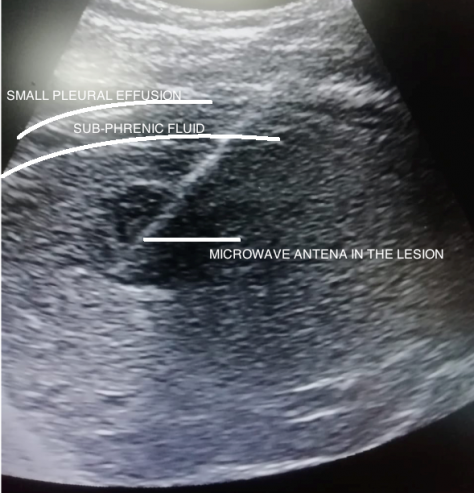
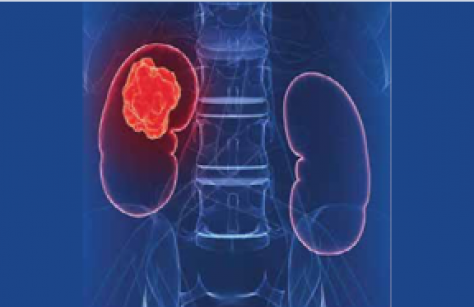
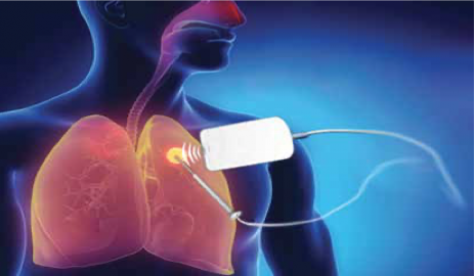
Percutaneous tumour ablation refers to a range of techniques, which destroy tumour tissue via needles placed through the skin. Thermal ablation techniques destroy tumours by using different kinds of applicators to heat the tumour, such as radiofrequency ablation, laser ablation, microwave ablation
How does the procedure work?
The procedure will be carried out using image guidance, such as US, CT or MRI, to control the insertion of the devices and the energy deposition. You will be anaesthetised for the procedure. For most ablation procedures, the interventional radiologist will insert one or more needles or applicators into your tumour to deliver the chemical agent or physical energy.
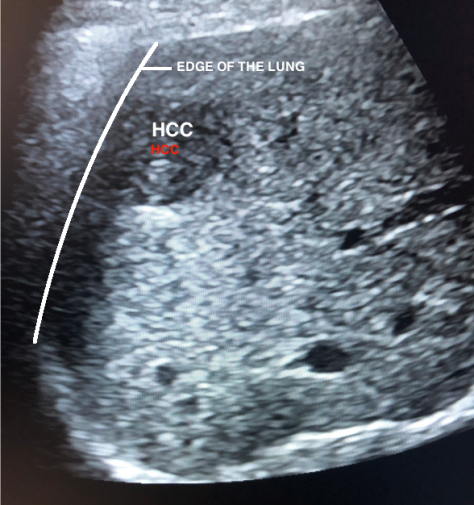
LIVER TUMOR /HCC RFA ABLATION
Why perform it?
The goal of tumour ablation is to destroy the tumour without using surgery. Whether you are suitable for this procedure depends on the size and location of the tumour as well as your clinical situation.
RADIOEMBOLIZATION – Y90
Y-90 radioembolisation is a palliative treatment for primary liver lesions and liver metastatic disease which uses ionising radiation to shrink tumours. It is generally used to relieve the symptoms of liver tumours rather than to cure the underlying condition.
The liver has two sources of blood supply: the hepatic artery and the portal vein. Liver tumours tend to rely on the hepatic artery for their blood supply.
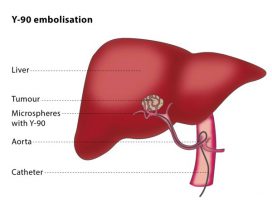
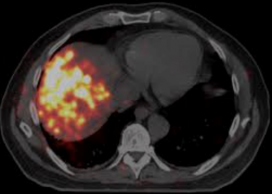
During a radioembolisation procedure, an interventional radiologist injects microspheres filled with the radioactive isotope yttrium (known as Y-90) into the vessels feeding the tumour. Because the radiation is focused only on the tumour, higher and more effective radiation doses can be used compared to other treatments.
How does the procedure work?
Depending on your individual situation, you may be given the procedure as an out-patient or you may require hospital admission following the treatment. The interventional radiologist will carry out the procedure using fluoroscopic guidance.
You will be given a local anaesthetic. After this, the interventional radiologist will insert a catheter (a thin tube) and a guidewire into an artery. You will then have some images taken of your upper abdominal arteries to show the exact location of the vessels feeding the tumour. The interventional radiologist will then insert microspheres filled with Y-90 into these vessels to deliver a high dose of radiation to the cancer cells. This radiation dose will decrease over the following two weeks.
Your vital functions will be monitored during the procedure. You may be given antibiotics to prevent infection, and, if necessary, IV analgesics or medication to prevent nausea.
Why perform it?
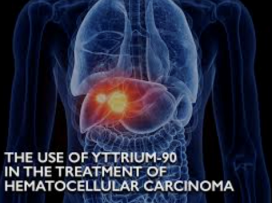
If you have an inoperable liver tumour or if you are not fit for surgery, you may benefit from Y-90 radioembolisation. Y-90 is beneficial for hepatocellular carcinoma (the most common type of cancer) affecting the portal vein of the liver, or if you have not responded to chemoembolisation.
Because the radiation dose is delivered directly to the tumour, the dose is higher than in standard radiation therapy and there are fewer possible complications. Radioembolisation can extend the patient’s life expectancy from months to years, as well as improving quality of life. In some patients, this procedure enables them to undergo surgery or liver transplantation.
What are the risks?
Y-90 radioembolisation is a relatively safe procedure. The most common complication is post-radioembolisation syndrome, which occurs in around 50% of patients. Symptoms include fatigue, low-grade fever, nausea, vomiting and abdominal discomfort.
Less common complications include a build-up of fluid, high levels of alkaline phosphatase and infection. You may also experience stomach ulcers, inflammation of the pancreas, raised blood pressure, gallbladder inflammation or pneumonia. As with all percutaneous procedures, there is a risk of bleeding or damage to a blood vessel.
In some cases, patients react to the iodinated contrast materials used in the procedure, experiencing allergic reactions and harmful effects on the kidneys.
Benefits of IR guided procedures
11. Rapid relief from symptoms.
12. The imaging techniques allow accurate diagnosis and treatment using cutting-edge equipment. Diagnosis is reconfirmed during procedure.
13. Minimally invasive procedures are performed through a small hole in the skin, minimising the patient’s discomfort and recovery time. There won’t be any scar.
14. Most procedures can be performed on an outpatient basis or require only a short hospital stay. As interventional procedures tend to require only local anaesthesia, hospital stays are very short, with patients frequently going home the day the procedure is performed.
15. Patients who undergo IR procedures experience less pain during and after the procedure than patients undergoing surgical procedures. Post-procedural care is provided, along with follow-up imaging to confirm if the treatment has been successful.
16. Minimal damage to surrounding vital anatomical structures with no significant structural weakness.
17. No or negligible blood loss. No requirement of blood transfusion.
18. Return to work and other normal activities usually within the first few days after the procedure.
19. Low risk compared to surgery. The techniques can be used in very sick patients who are unfit for surgery.
20. Overall procedure is less expensive than surgery or other alternatives.
How will you prepare for procedure:
You will be requiring an overnight admission in the hospital.
• You will have had some blood tests performed before the procedure to check that you do not have an increased risk of bleeding.
• You are asked not to eat for 4-6 hours prior to the procedure. You may drink a little water.
• You will need someone to look after you for 24 hours and drive you home on discharge.
• If you have any allergies or you have previously reacted to intravenous contrast medium, you must let the doctor know. Intravenous contrast medium is the injection we give you during some scans.
• If you are diabetic, please contact IR coordinator at 0328 0177770 for further information
• If you normally take any medication to thin your blood (anticoagulation or antiplatelet drugs) such as: warfarin / clopidogrel / aspirin, dabigatran (Pradaxa) / rivaroxiban (Xarelto) / Apixaban (Eliquis) / phendione / acenocoumarol – then these may need to be stopped or altered. Please contact the contact IR coordinator at 0328 0177770 for further information